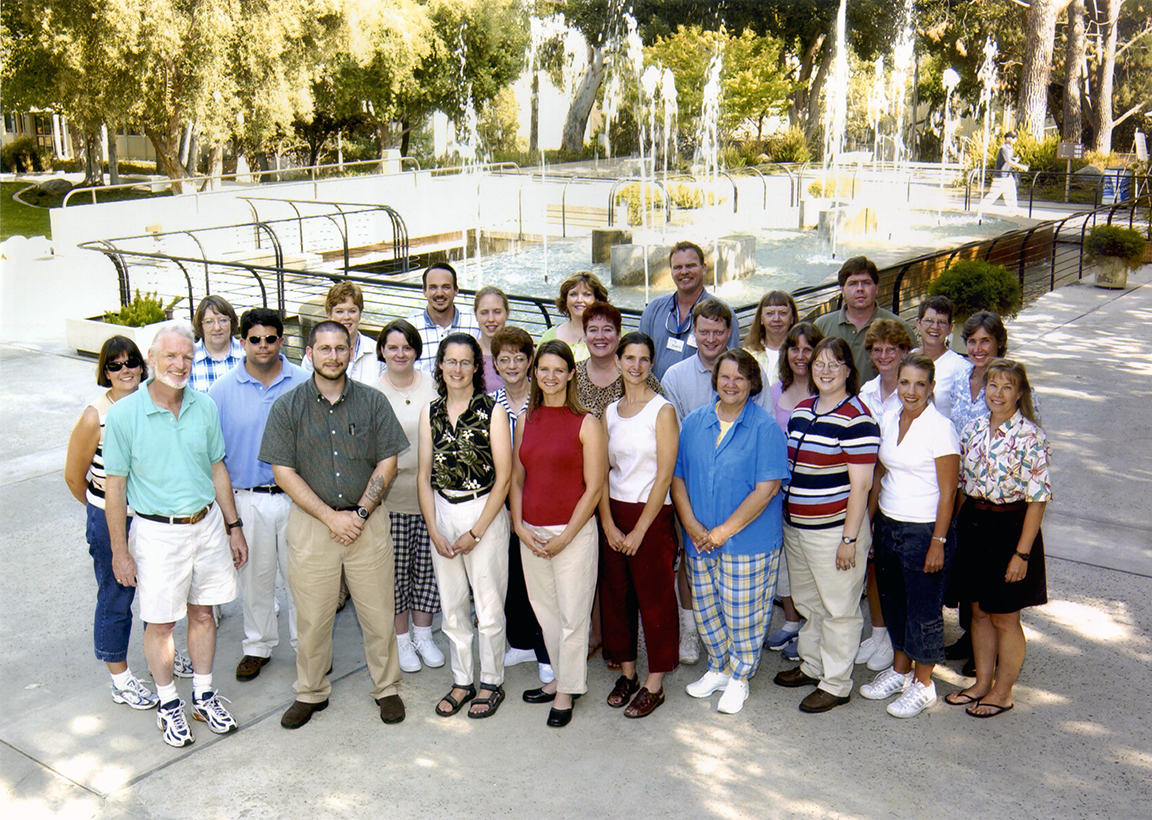
Two weeks ago I had the opportunity to present at the monthly meeting of the Utah Astronomy Club. One of Clark Planetarium’s board members had seen my biography on the planetarium’s website and that I have participating in a number of NASA educational programs including flying on SOFIA as part of the Airborne Astronomy Ambassadors program. I proposed speaking on NASA’s educational opportunities and he agreed.
I realized as I built the presentation that I have never properly summarized these educational opportunities for this blog site, with some of them not described at all, even though I have done considerable research and created posters for my graduate program on this same topic. The next few posts will therefore give a brief overview of NASA Educational Programs as I have experienced them and according to my knowledge. I’ll work my way forward from the early days. It is not meant to be comprehensive, and I plan to write about each program in greater detail in the future.
Aerospace Education Services Program (AESP)
NASA was officially organized in 1958 shortly after the launch of Russia’s Sputnik I and our own Explorer I space probes. Alarmed that the Soviets had gotten ahead of us in space exploration and that if they could launch a space probe, they could also launch a nuclear missile, Congress authorized the creation of NASA as a federal agency and directed it to reclaim the high ground of space. It was realized early on that a continuous pipeline of well-educated aerospace engineers and scientists would be needed to catch up and surpass the Soviets, and education was seen as an important part of NASA’s mission. To reach the general public and educate them on NASA’s programs and mission, administrators searched for a method that would not detract from its primary mission of exploration and scientific advancement.
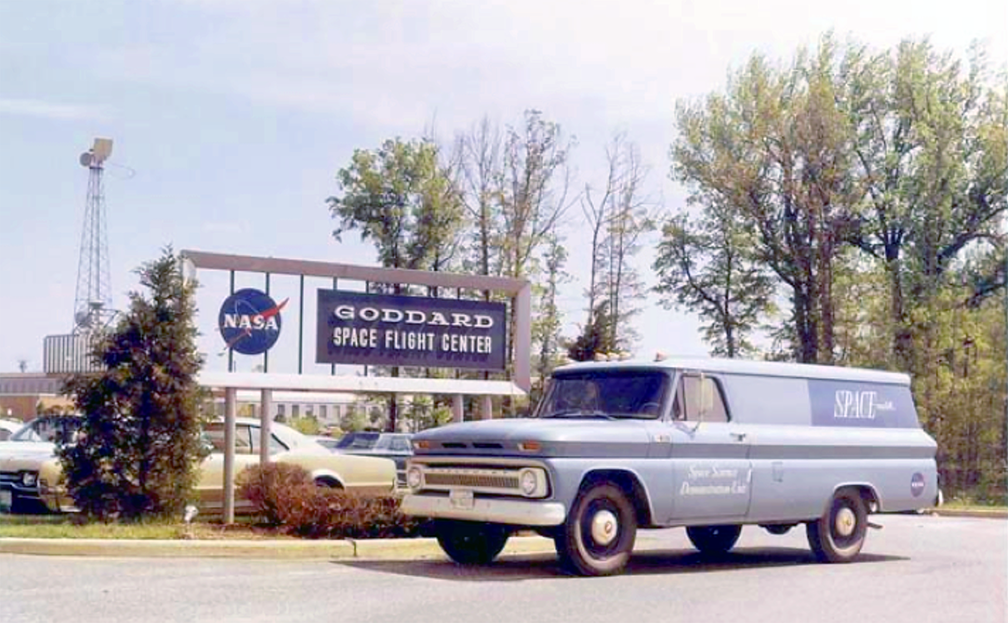
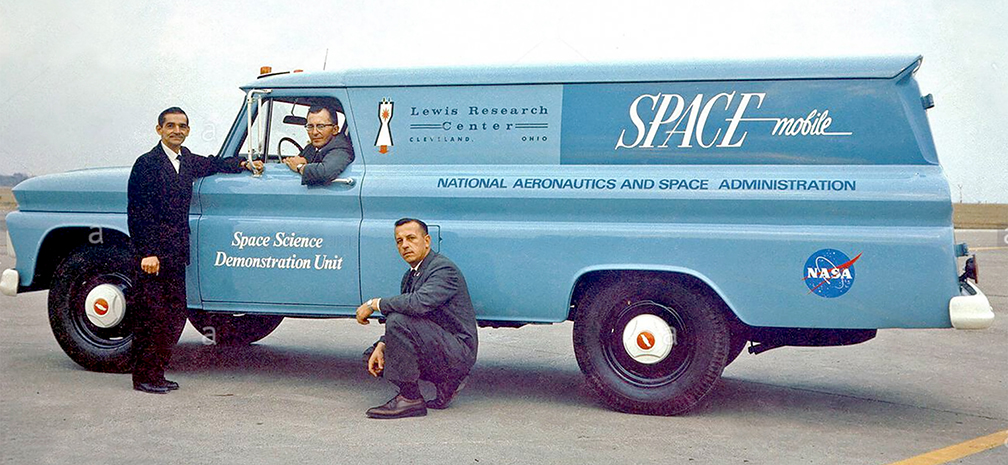
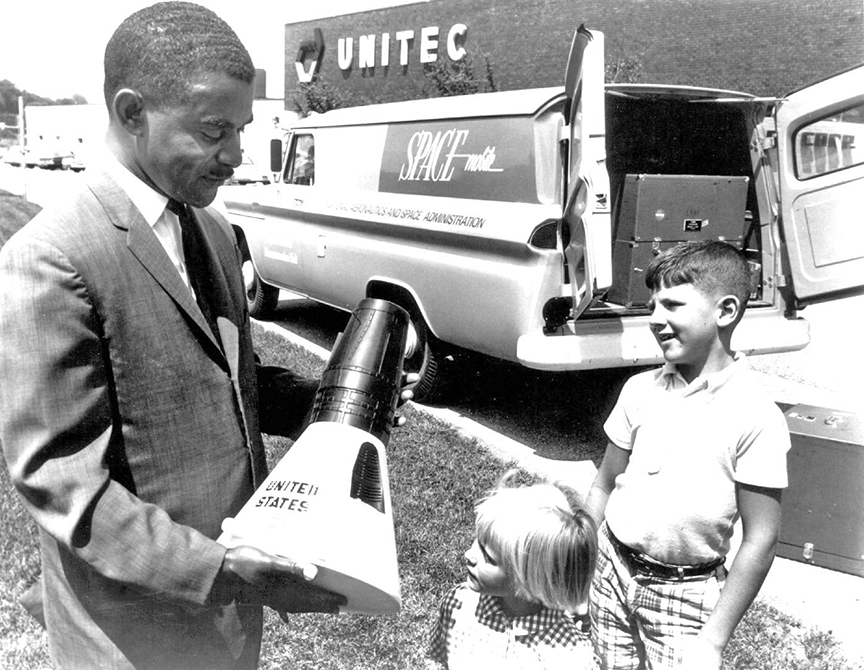
Spurred by Pres. Kennedy’s directive to land an American on the Moon and safely return him to Earth by the end of the decade, NASA was approached by I. M. Levitt of the Franklin Institute in Philadelphia with an idea to create traveling exhibits on space science and NASA missions that would be driven around the country in vans by education specialists. NASA saw this as a low-cost way to provide education and public engagement, so the Spacemobile program was started with a single blue van operated as a pilot program by the Franklin Institute in 1961. It contained 20 displays with models provided by Marshall Space Flight Center at the behest of Wernher von Braun, a friend of Levitt’s. It was known at first as the Spacemobile program and eventually as the Aerospace Education Services Program, with specialists trained to drive vans around the country (and beyond) and present models and activities on NASA’s goals and missions.
The specialists criss-crossed the country, driving down country roads to reach rural schools in places like Beaver, Utah. One spacemobile was even loaded onto a U.S. Navy vessel and sent to Puerto Rico, the U.S. Virgin Islands, and countries in South America to make presentations including at the 1st International Space Exposition in Brazil. The vans traveled to state fairs, businesses, the 1962 World’s Fair in Seattle, and other public events to spread the word on NASA missions. As Al Hulstrunk, one of the first spacemobilers in the early 1960s put it:
There was no limit to thoughts and imagination and even reality. We were going to the Moon, out to the Planets, and then out into the Cosmos. The great adventure was just beginning, and we, the spacemobile people, were there to explain the details and sell the idea. This was a “little golden age” of expanding thought that was supported by the NASA Administration, accepted by the educational community, and admired by the public – a time of enthusiasm (Hulstrunk, 2010).
At first, the specialists were all white males wearing suits and white shirts, but with time NASA saw the value in adding more diversity to the program. At first, it was felt that the rigors of driving vans around the country were too challenging for women, but this was successfully challenged as women were selected for the program and become among the most effective presenters.
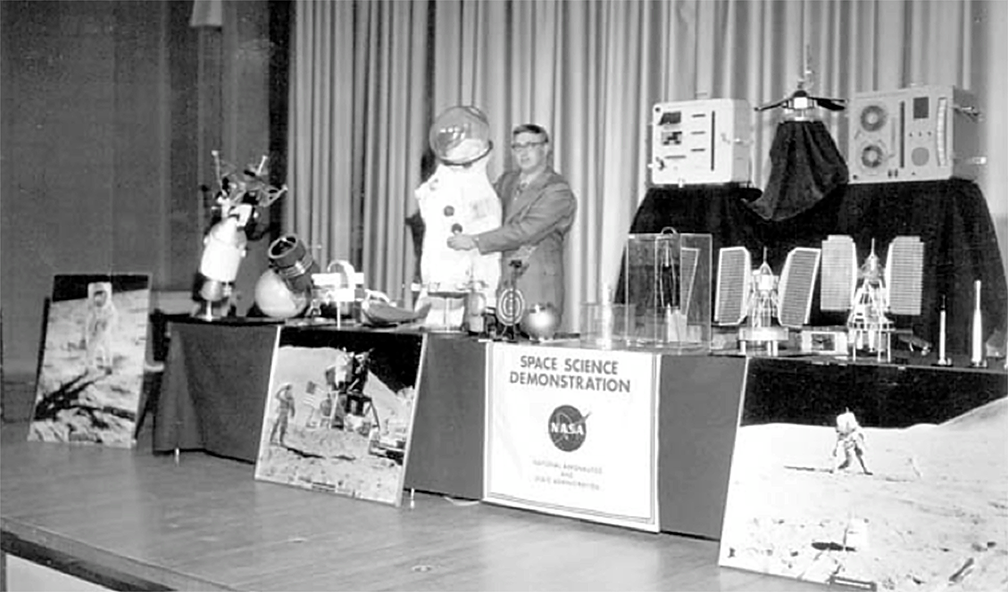
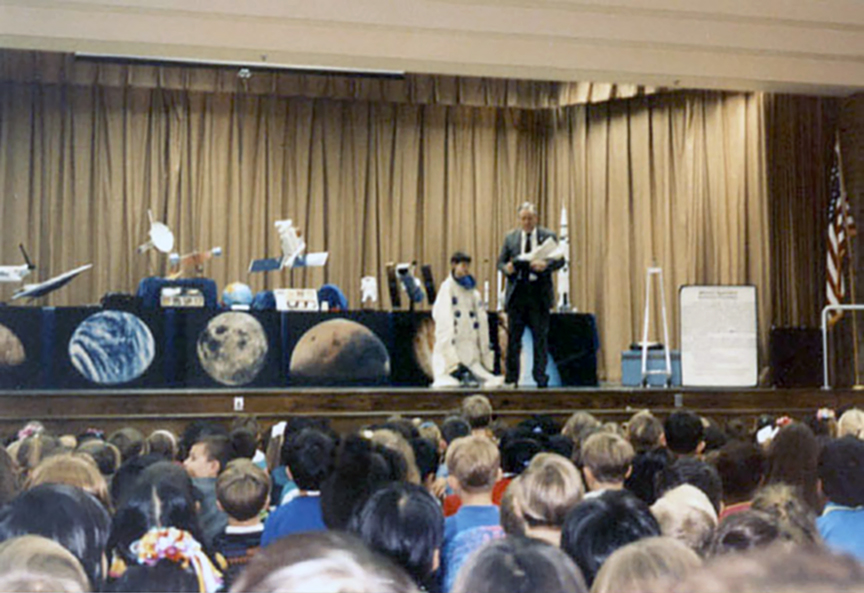
These presentations were full-school assemblies lasting about an hour, where the specialists got out models showing the planned Apollo flights, the Saturn V rocket, and the Lunar Module. As much as possible for the format, students were called up on stage and took part in activities that demonstrated scientific principles, such as feeding liquid oxygen into a flame, but the programs were basically memorized with question and answer sessions at the end. The specialists went through training each year at different field centers to update their knowledge on upcoming missions, and for many students this was their only contact with NASA or space exploration. It did inspire quite a few students to become scientists and work for NASA, but it was so thinly spread that its impact was difficult to measure. One person known to have been initially inspired by an AESP assembly in Honolulu was Michael Okuda, one of the chief technical designers for Star Trek: The Next Generation. Eventually, each of the ten NASA field centers had its own vans and specialists, each assigned an area. Talking with Ota Lutz, who had been a specialist at Johnson Space Center in Houston, her area took in all of the central Great Plains states from Texas all the way to North Dakota, and she would be on the road for weeks at a time.
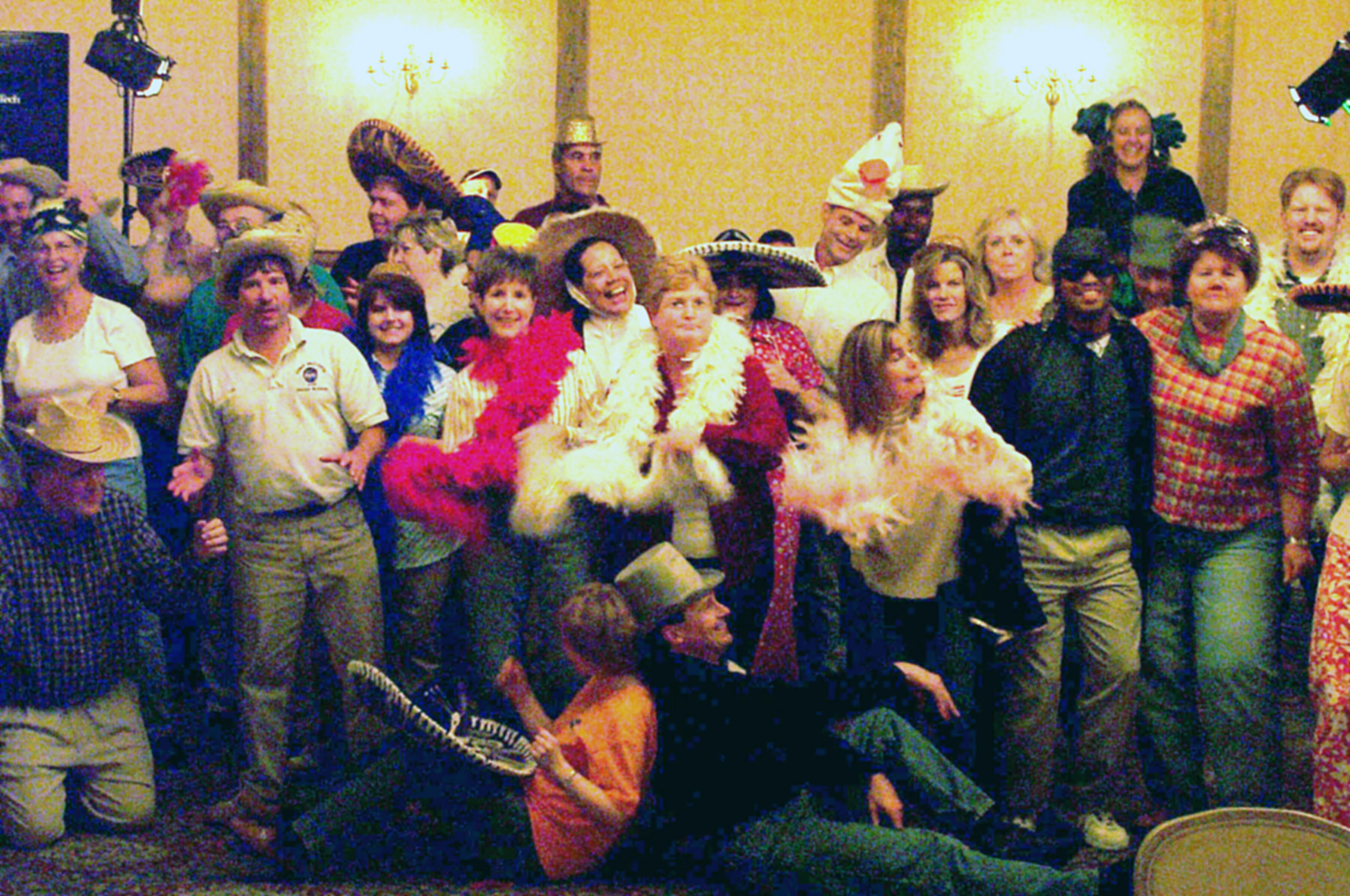
Eventually AESP became administered through Oklahoma State University. I got to know many of the specialists through my involvement in the Solar System Educator Program (more on this later) and as a Facilitator for the NASA Explorer Schools program. At our meetings in Gulfport, MS and Wheeling, WV in 2004, we participated in common training programs. I remember a group of us singing “Take me home, country roads” in Wheeling while wearing silly hats. I got to know some excellent people, including Larry Bilbrough, Les Gold, Jim Gerard, Ota Lutz, Carlos Cayetano, Rick Varner, and Leah Bug. I even looked in to doing this myself and was encouraged to apply by the program director, but it would have meant leaving Utah (no field centers here) and not having as many opportunities to see my oldest children, so I decided against it even though it would have been amazing. Over the years, the vans changed, the drivers came and went, and the focus of the program shifted as the Apollo era ended and the Space Shuttle and ISS era began. By 2011, as NASA priorities and funding changed because of sequestration, the AESP contract with OSU was completed and he program officially ended.
As for myself, my current job is to drive a Clark Planetarium outreach van to schools throughout Utah, teaching classroom presentations on space science much as the Aerospace Specialists did for 50 years. In fact, I will be presenting in Beaver, Utah next week. The spirit of AESP lives on through us and similar programs around the country. I just wish I had such a nice model of the Saturn V rocket!
NASA Educational Workshops for Mathematics and Science Teachers (NEWMAST)
With the national concern over science education that grew with the publication in 1983 of A Nation At Risk, NASA decided to develop another educational program targeted at teachers, knowing that by inspiring teachers they would in turn inspire students. Called NEWMAST for 7-12 science and math teachers and NEWEST for elementary teachers, each of the ten field centers would establish two 2-week all-expenses paid workshops for 25 teachers at a time. Chosen from around the country, they would stay at a hotel near the center, tour the facilities, get to know the missions and personnel, practice NASA educational materials and activities, and create their own action plans. This program began in about 1985 and about 500 teachers per year were chosen, with alumni from the program re-applying to become Facilitators, or educator trainers, for a three-year commitment.
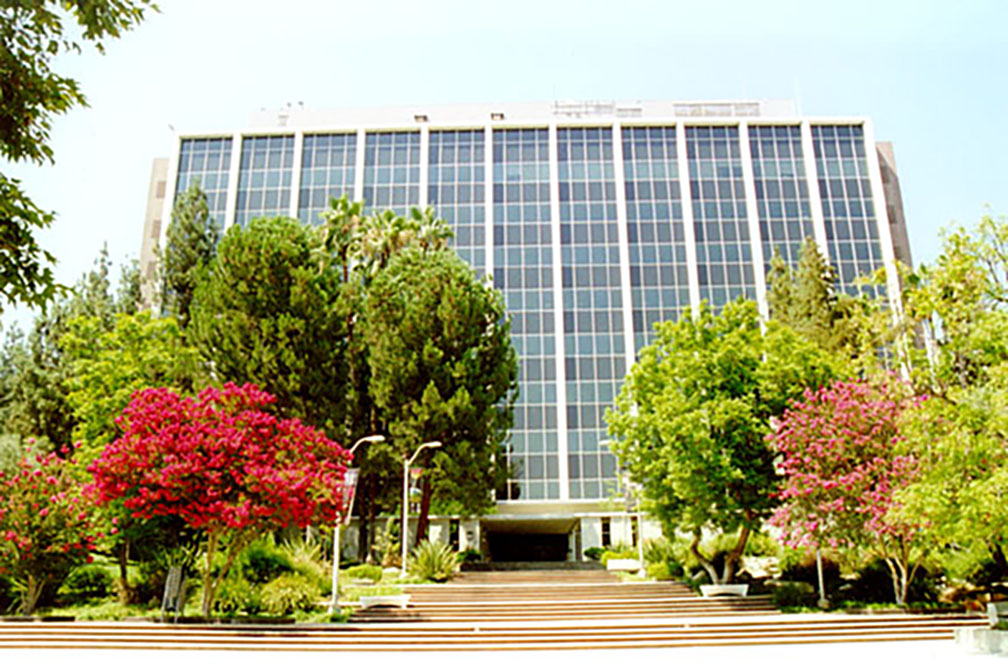
I first heard about NEWMAST in 1996 during my final year as a teacher at Juab High School. You had to have been a teacher for three years, and have your principal sign that you would be re-hired for the following year. Because I was leaving that school at the end of the school year, I could not apply. The following year, while at Provo Canyon School, I wrote a quick application (I had remembered almost too late) and my essays needed more work. I was not chosen. Finally, the next year in 1998, I took the time needed to write a good application and was selected to attend the NEWMAST workshop at the Jet Propulsion Laboratory in Pasadena, CA. This was my first choice of where to go, so I was thrilled! I had been there once before as a senior in high school on a tour during a science fair competition in Anaheim. Now I would be visiting and working there for two weeks!
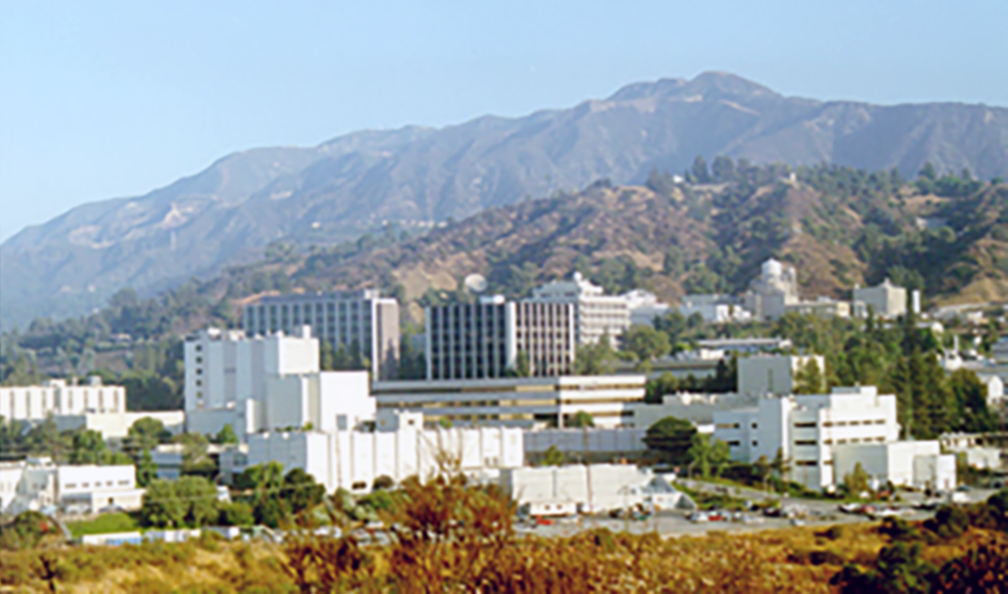
I need to write entire blog posts about my experiences during that workshop. It was a life-changing experience and I decided that I had to stay involved in NASA educational programs any way that I could. So the following year I applied to return as a facilitator, but was not selected. The next year (2000) I applied again and was not selected again. Finally, in 2001 I applied for a third time for the 2002 summer program. The National Science Teachers Association (NSTA) was contracted to choose the participating teachers and facilitators, and during the regional NSTA conference in Salt Lake City that fall, the SSEP booth that I helped out with was next door to NSTA’s booth, and Deborah Daniels, an NSTA leader over NEWMAST, strongly hinted that I had been chosen (she quipped that they had to choose me because they were tired of seeing my application every year). The next week it was official and I became the Educator Facilitator at JPL for the next three years. I will come back to this later because of another program I became involved with during the three years I was applying for NEWMAST.
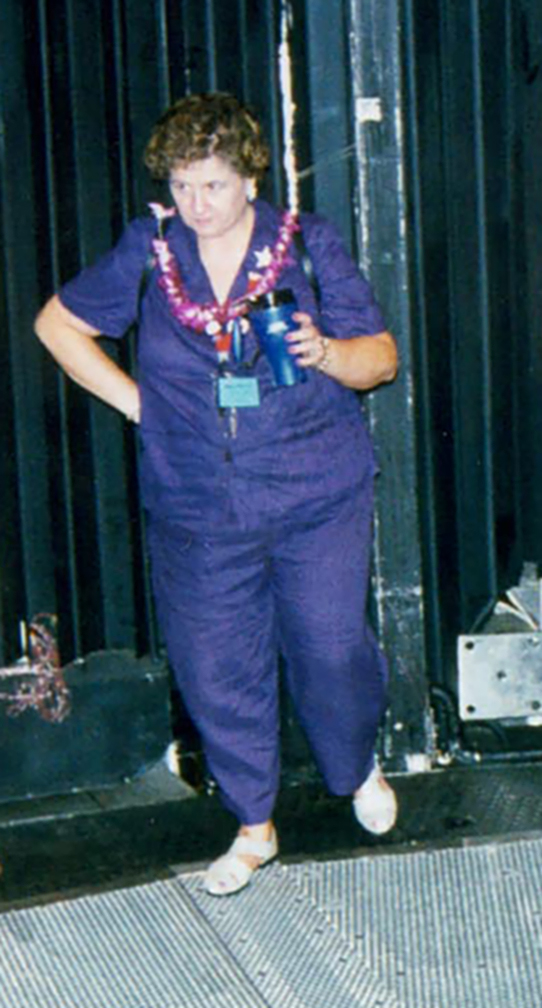
NASA/JPL Solar System Educator Program (SSEP)
During the early 2000s NASA required each separate space mission to budget around 3% of its operating costs toward education. Different missions chose different ways to set up education programs, and if the mission was large (such as Cassini with an overall budget of about $5 billion) it would have a large educational budget to hire full-time Education and Public Outreach (EPO) personnel, write and distribute books, etc.. But some of the smaller missions out of JPL, such as Deep Impact (let’s hit a comet with a heavy weight and see what happens); Stardust (let’s use aerogel to collect solar wind and cometary dust particles and return them to Earth); and Genesis (let’s park a probe around the L1 point between Earth and the Sun in a halo orbit and use thin disks of sapphire, diamond, and ruby to collect samples of the solar wind) were all part of NASA’s low cost Discovery progam (hundreds of millions rather than billions per mission). With lower budgets, less was available for EPO so the missions decided to band together, pool their educational funds, and create the NASA/JPL Solar System Educator Program or SSEP. Classroom teachers and planetarium informal educators were invited to apply, and I was selected in 2000. The missions included were Stardust, Deep Impact, Genesis, Cassini, the Mars Exploration program, and the Deep Space Network (which includes the radio antennas at three sites around the world to stay in constant communication with space probes).
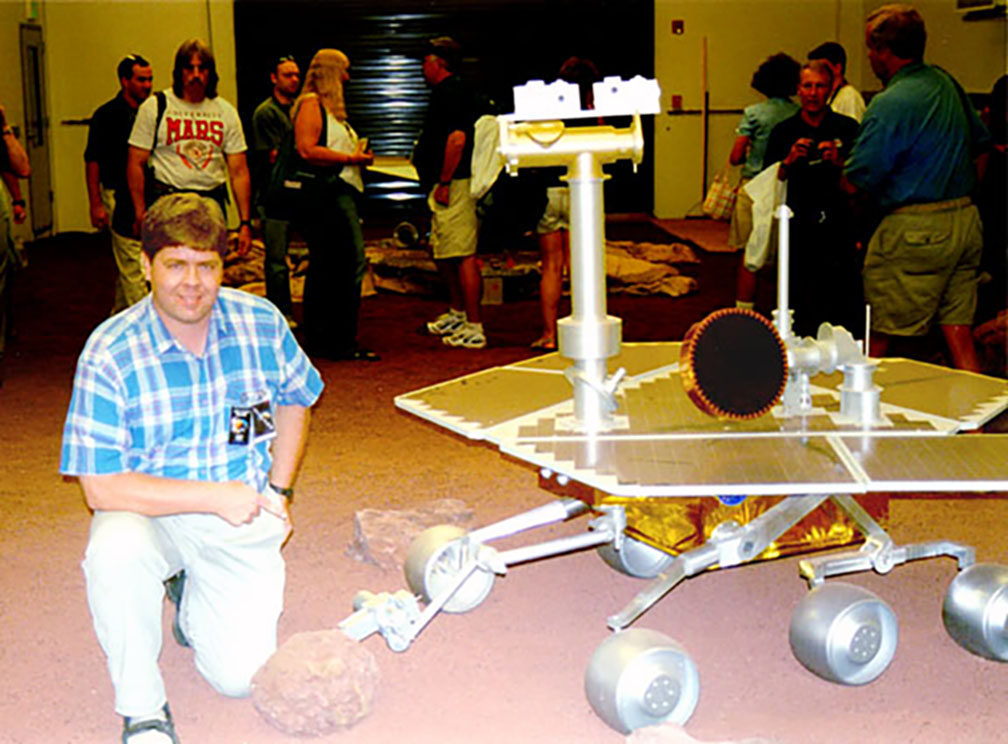
SSEP meant returning to JPL for training from the mission EPO personnel and we became mission specialists. About 70 educators were selected, and we were at JPL for about four days during the summers over the four years I participated in the program, 2000 through 2004 (with the fourth year at the University of Utah because Genesis and Stardust were about to land in the Salt Flats). My requirement was to return to Utah and present workshops and conference sessions to at least 100 other people per year, which I did. I planned, set up, advertised, and trained over 400 teachers over four years, presented at the UtSTA conference on Mars Exploration and other topics, and became somewhat of the “NASA guy” in Utah. At the training sessions we practiced and developed our own versions of activities, which is where I got the Mars topography activity using straws, lollipop sticks, hidden terrains, clay, etc. that I have written up and taught with great success.
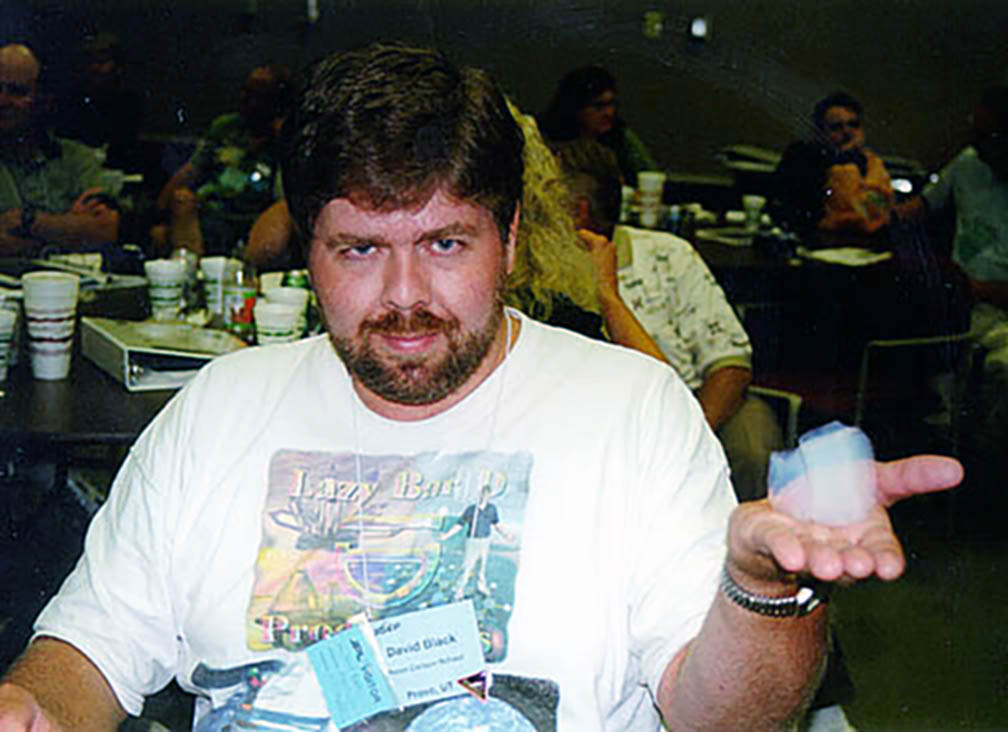
I got to know quite a few amazing teachers and EPO people through this program, including such people as Art Hammon, Dave Seidel, Maura Rountree-Brown, Aimee Whalen, Shannon McConnell, Leslie Lowes, Steve Edberg, and Kay Ferrari. Some of the programming was led by people from a group out of Wisconsin called Space Explorers, Inc, which included Eric Brunsell, with partial funding through the Old Dominian Space Grant Consortium out of Virginia. Many of the participants became some of my favorite people such as Martin Horejsi, Nancy Tashima, Julie Taylor, and Rachael Manzer. For years afterward I would see them at NSTA conferences as we attended each others’ sessions, and there was considerable overlap between programs. Other opportunities arose, such as traveling to Cape Caniveral for a launch conference for the Mars 2001 Odyssey. My life was greatly influenced by the people and places this program led me to.
With these experiences under my belt, my yearly application for NEWMAST Facilitator became better every year until they accepted me to lead the 2002 workshop at JPL.
2002 NEWMAST at JPL
As facilitators, we met in Washington, DC at a hotel north of the White House (I do not remember which one) along with the field center directors and NASA education personnel. The person at NSTA over the entire program was Wendell Mohling, with Deborah Daniels as the person on the ground visiting the centers during their workshops. For this first year, the person at JPL decided to retire (Gene Vosicky) and was replaced by Dave Seidel from the Mars Exploration program, but Dave had already committed to teaching a chautauqua on astrobiology in Hawaii during the first week of the two-weeks, so Art Hammon led the program for that week, then Art was scheduled to go somewhere during the last two weeks. I would be the only one there for both weeks, and I was the only one that had gone through the program before, so they relied heavily on me to come up with daily themes and ideas for tours. I decided to go for broke and ask for everything I could think of, and Art and Dave basically agreed. So we scheduled a day to travel by bus to Dryden Flight Research Center at Edward’s Air Force Base (now Armstrong Air Force Base) near Death Valley and an evening up at Mt. Wilson Observatory. I also suggested traveling out to Goldstone to see the Deep Space Network. I read articles, found people such as Martin Ho at JPL who was the genius behind halo orbits for the Genesis Probe, asked Matt Golombeck, geologist on the Mars Pathfinder mission, and Linda Kelly (aka Moribito), who discovered volcanoes on Io, to speak to the teachers. Over the planning session, our two-week outline began to take shape. This happened in January 2002 and it was quite cold in DC. One evening I walked down to the Vietnam and Korean War Memorials after the planning was done and it was already dark and freezing.
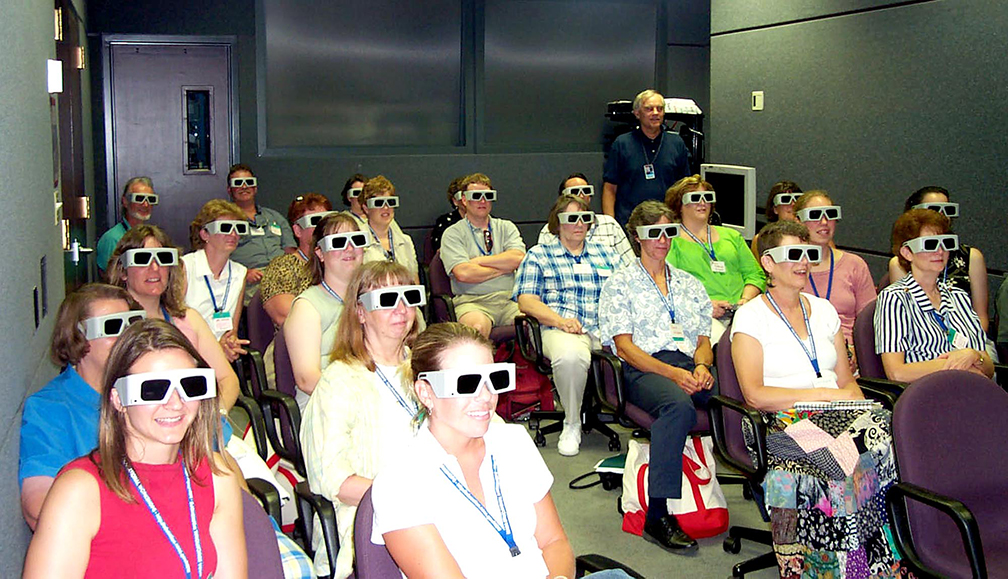
Over the next several months the teacher participants were selected and I began contacting them and helping them make flight arrangements through NSTA. I thought that flying in to Burbank would be the closest airport, but found out it meant more trouble because there were fewer flights and we had to shuttle them from there to JPL. I became much less of a fan of United Airlines, which was the only major airline to service Burbank at that time. I put together biographies of the teachers and we finalized the schedule for the workshop, with speakers, tours, and conference rooms scattered around JPL. I also worked on getting mini-vans from a company in Pasadena and made arrangements with the Embassy Suites hotel in Arcadia, where we would be staying. I put together a binder of lesson plans (along with a few of my own), information on speakers and missions, and daily agendas. I purchased materials we would need and had everything shipped down to the hotel, then went myself a week before the workshop to finish everything up, print out the binders, etc. I had a nice master suite room with all sorts of boxes organized by day.
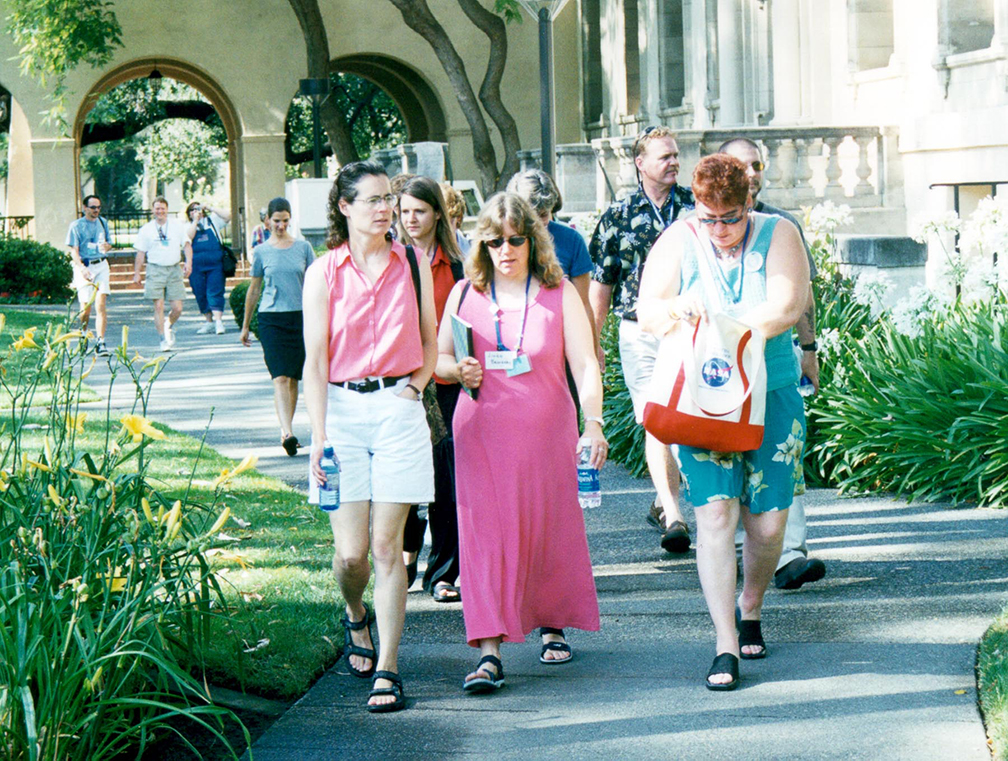
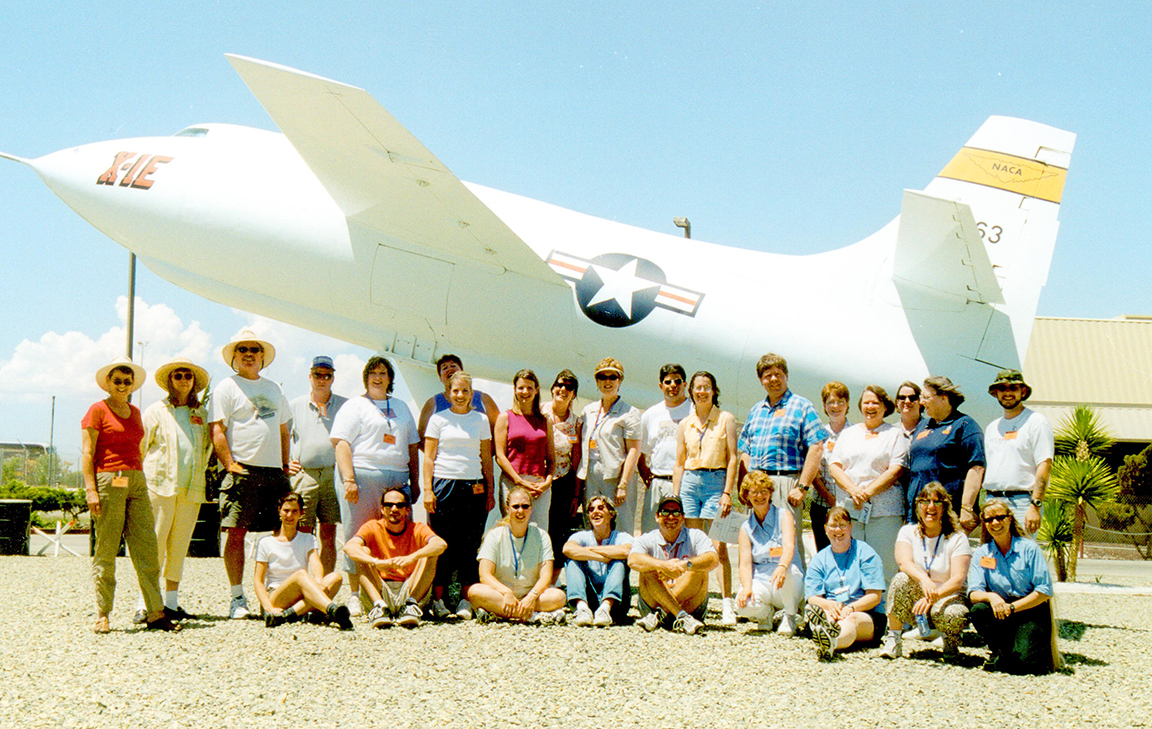
As for the details of the workshop itself, things went well over all. There was the unfortunate incident of the neodymium magnets that got stuck up my nose temporarily, which the teachers never let me live down. There was the mistake with the Subway sandwiches (who knew that Foothill Blvd. winds its way through several towns and there is more than one Subway Sandwich place on it?). This was an amazing assortment of teachers from all over the country, some the best teachers I have ever met and certainly the most fun. It was an exhausting two weeks, but I loved every minute of it. Once it was over I was required to write up a daily report for NSTA, and I also put together an interactive CD-ROM with materials and photos from each day, including some sent to me by teachers who had better cameras than I. I consider this workshop and the next two years to be the pinnacle of my professional career.
The NASA Explorer Schools Program (NES)
Over the approximately 20 years of its operation, NEWMAST had gotten many teachers excited about space exploration and NASA, but evaluations of the program found one weakness. One teacher from an entire school or district was not enough to effect systemic change, no matter how enthusiastic they became for space science and NASA. They would return from the workshops to hit the same roadblocks, the same barriers, and not much change was occurring. NSTA and NASA tried something different – taking five teachers from a single school, including one administrator, and following up with them to support changes in how they taught science and engineering. For example, one of the teachers from my group in 1998 became a Facilitator for the next three years for a pilot programs bringing five teachers in from Native American Tribal Schools. So between my first and second year of facilitating, the program changed to the NASA Explorer Schools program. This meant fewer schools could be represented, but the same number of teachers trained. With five from each school, permanent changes to science education were expected. NASA would provide significant funds ($17,000 the first year and $10,000 per year for two more years) for a selected school, with continuing mentorship from education personnel at each field center, school visits from astronauts, and other perks.
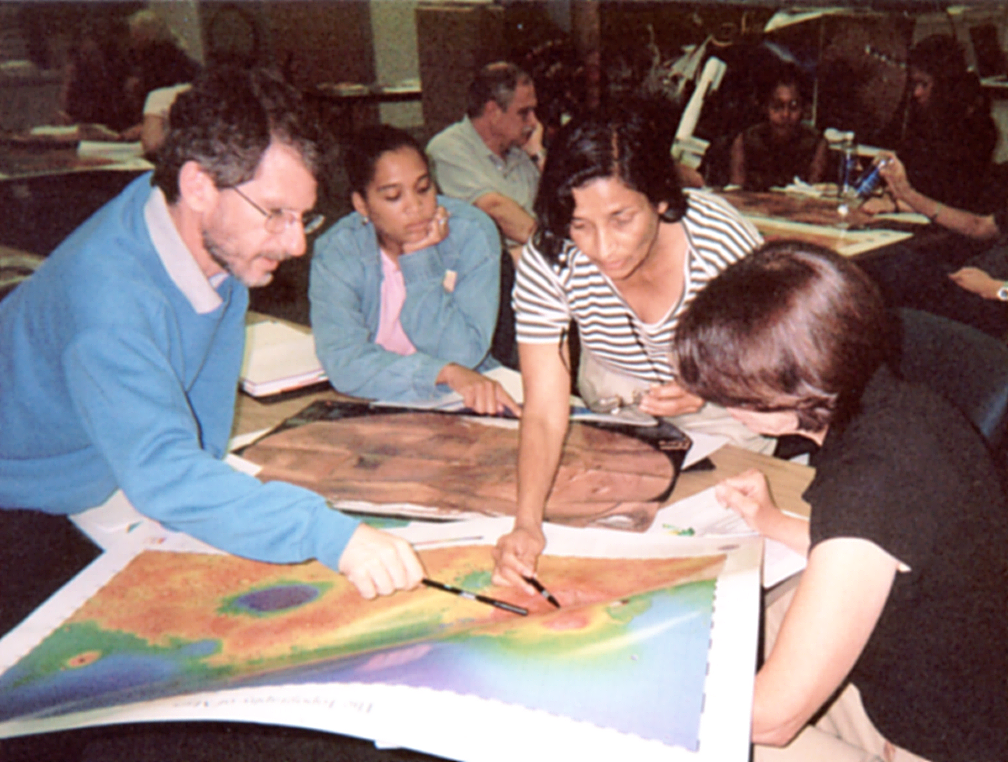
JPL, always something of a do-it-their-own-way group, decided to work with only schools from the LA basin and San Fernando Valley, thereby making their support much easier. The application process became quite arduous, and I helped a few schools with their applications since I knew what was being looked for: a high percentage of marginalized students, high numbers of Title 1 kids, a high percentage of free or reduced lunches, and other indications that the school needed help. None of the schools I helped were selected, but one school in Utah was for the third year of the program: East Wendover High School out on the Utah-Nevada border. The teacher who spearheaded their application was Carolyn Bushman, whom I have written about before regarding the SOFIA AAA program. The astronaut who visited the school, Sandra Magnus, more or less adopted them and even invited students to Cape Canaveral to see two of her shuttle launches.
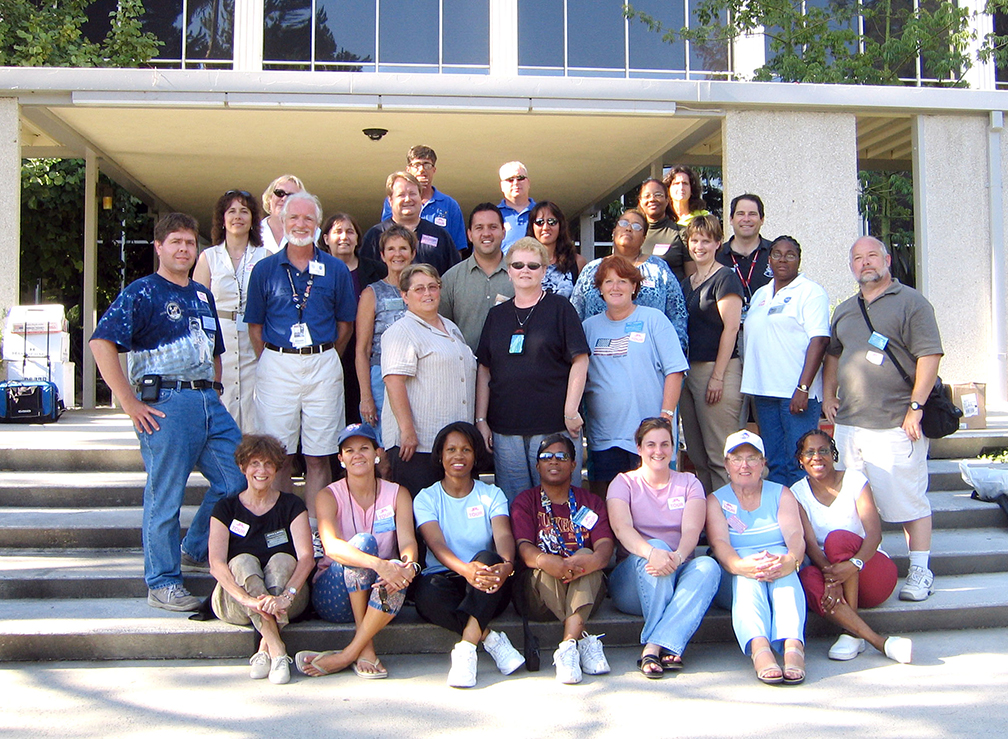
The NES workshops were just one week long, but during the second year there would be follow-up workshops where each field center had a speciality workshop that previous NES teachers could choose to attend, along with another group of new schools. Altogether, over three years, I taught the two-week workshop in 2002, a single one-week workshop in 2003, and two one-week workshops in 2004 with the specialty workshop in 2004 being on robotics. We had training sessions for each one, the session in 2003 being in another hotel out toward Chevy Chase in west Georgetown. For the 2004 training workshop, we visited Wheeling, WV at one of Senator Bird’s pork barrel programs, and at Stennis Space Center near Gulfport, MS held in one of the casino hotels on the Gulf of Mexico. This was about a year and a half before Hurricane Katrina wiped out the whole town. There is much to say about each of these training sessions – it was at the Gulfport session that I talked to the director of AESP at Oklahoma State. I will write the stories eventually. This blog post is just an overview.
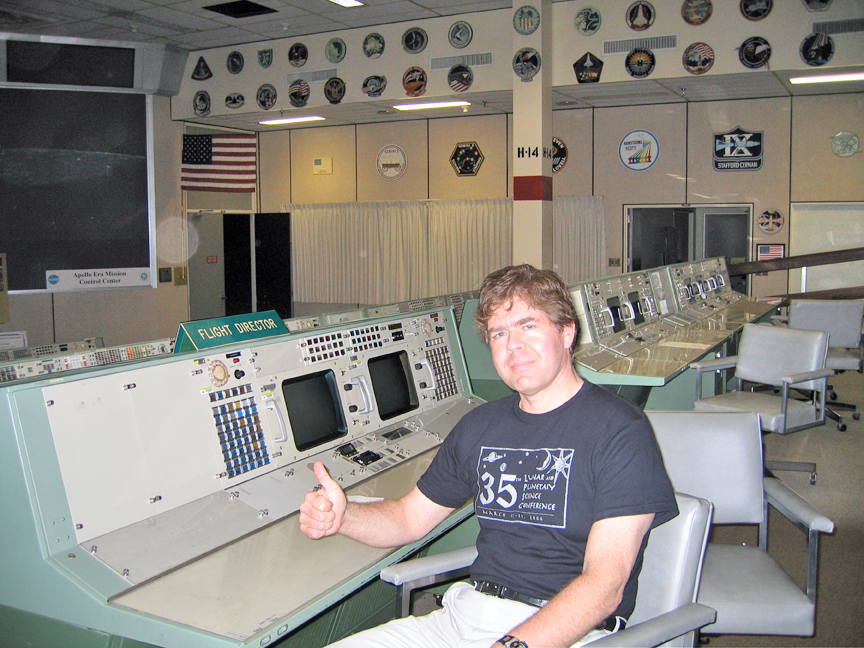
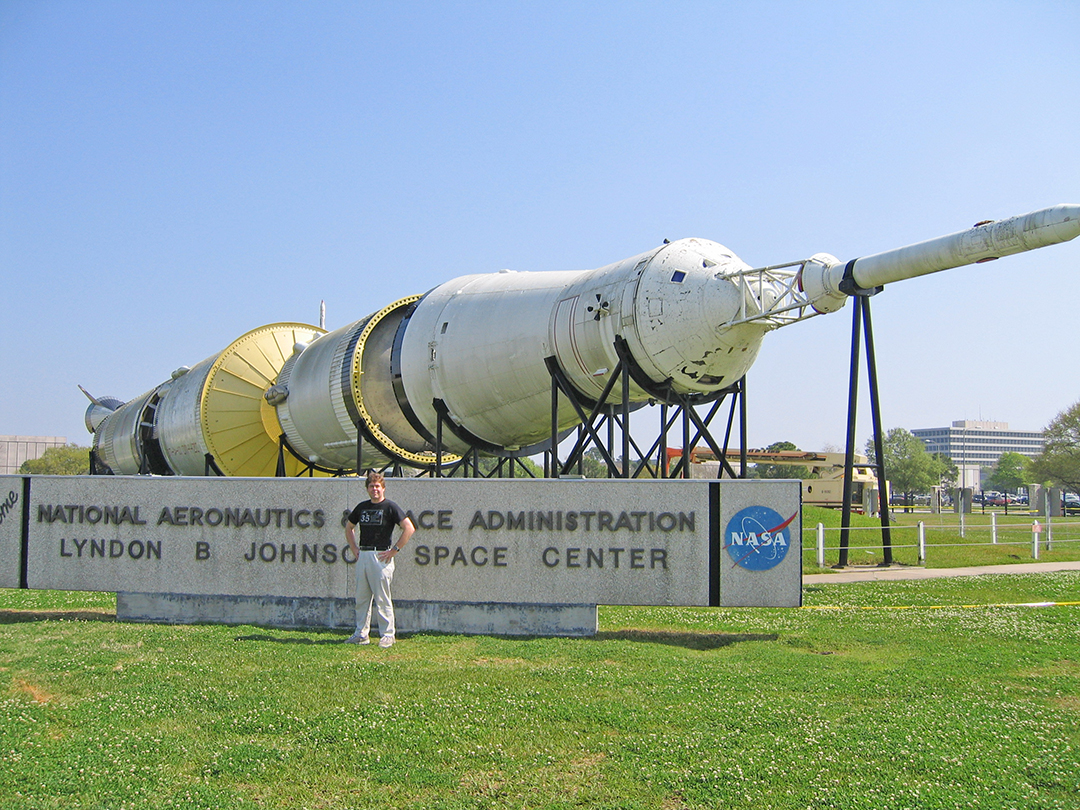
During my third year as a Facilitator it was decided that mentoring entire schools required more than a summertime Facilitator; it required a full-time person for each field center. This would be the last year of the Educator Facilitators, and Ota Lutz, the AESP from Johnson Space Center, would be moving to JPL to take over from me. It was a bittersweet parting from the other Facilitators that I had gotten to know, such as Katy Searcy with Kennedy Space Center and Sheryl Sotelo from Alaska with Ames Research Center. We gathered for a last time in the lobby of the casino hotel in Gulfport. Katy had bought an official Mississippian praline, and we divided it among the nine of us there (Dryden wasn’t doing a workshop that year) and had a farewell toast. The next week I stopped over in Houston at Johnson Space Center for the Lunar and Planetary Science Conference and to plan the summer workshops with Ota. She took me on a VIP tour of Johnson, including the Neutral Buoyancy Pool and a visit inside the old Apollo era green control room. I sat in Gene Krantz’s desk and posed in front of the Saturn V rocket on display on the grass.
– – – – – – – – – – – – – –
What I have written so far is quite extensive but still only the barest of summaries. And there is more. I will need to divide this post into two pieces, and tell the rest of the story from my presentation to the Utah Astronomy Club later. Some of the rest has already been told here, such as my flight on SOFIA, part of my visits to the National Air and Space Museum with the Teacher Innovator Institute, the NSF-RET program at BYU, and other programs such as NITARP that I have had the pleasure to be part of with my students. All told, I have enough stories to fill up an entire book as an eyewitness to NASA’s educational programs from 1998 through today, a 25-year history as missions have come and gone and we’ve learned so much more about space.
For my first NES workshop, we asked John Clark, a former shuttle astronaut assigned to JPL, to address the teachers. His presentation was on how much we’ve learned about the planets since he was a child. Before, all we knew was what telescopes could see. Now, we’ve visited every planet at least once and some several times. Every probe has surprised us and added to our knowledge. I was nine years old when humans landed on the Moon, and I have waited since 1972 for us to return and go on to Mars. I hope to still be an eyewitness for what is yet to come.

 The Spaced-Out Classroom